
Most property owners treat their policy limits as the most they can ever recover, and for the contract claim itself, that’s generally true. But every policy carries a duty of good faith, and most states have laws requiring insurers to investigate promptly and pay what’s owed without unreasonable delay.
When a carrier stalls, lowballs, or wrongly denies a claim, the delay often makes the loss grow. Repair costs rise, damage worsens, mold spreads, and living expense or business income coverage runs out. Florida courts support additional payment by the insurer due to bad faith.
What the Florida court added
Florida's Fourth District Court of Appeal answered a related question: does paying the verdict make the bad-faith exposure go away?
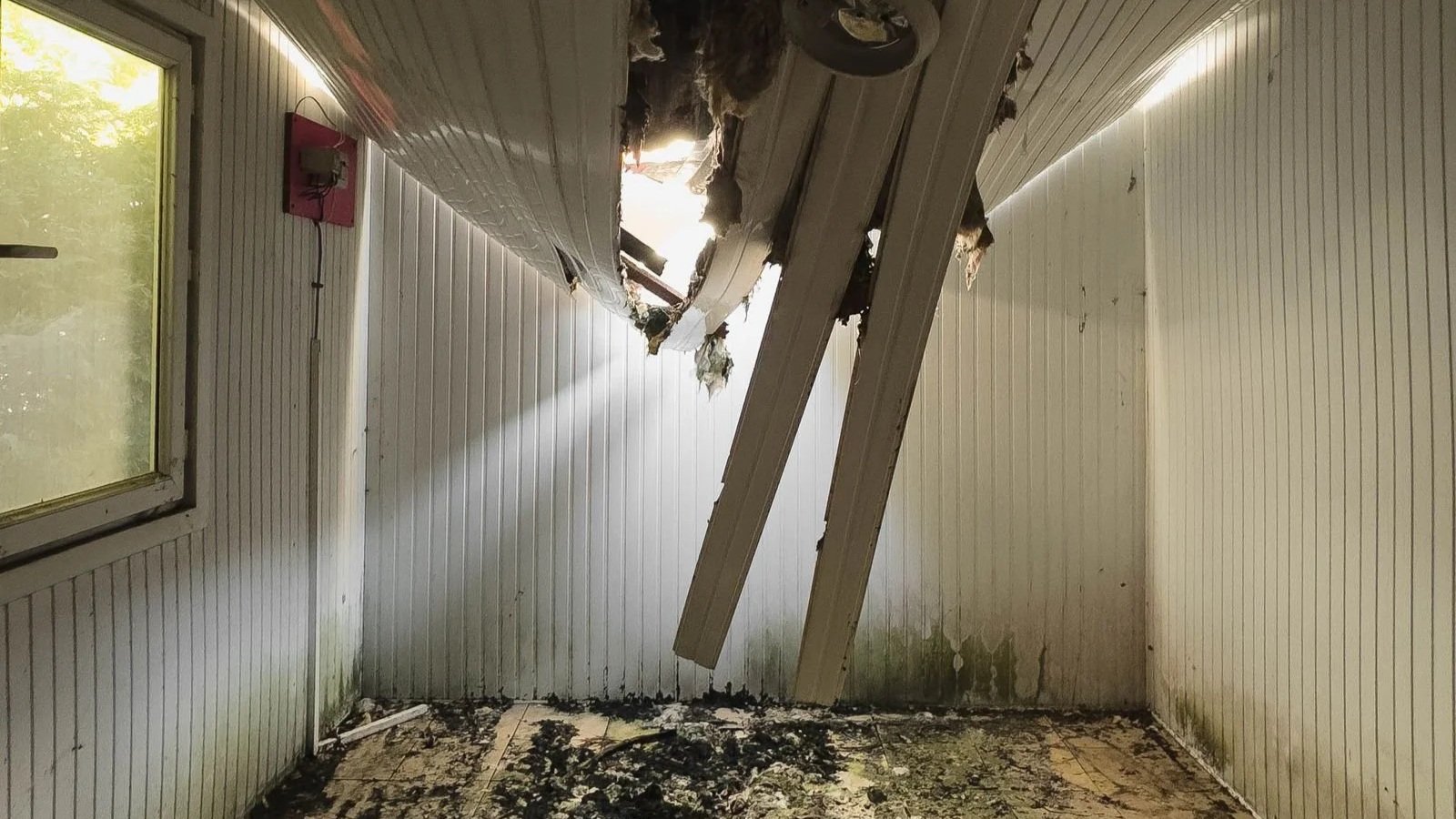
A restaurant's dining room ceiling collapsed in 2017 and the property was condemned as unsafe. AmGUARD denied the business personal property and income claims, paying only food spoilage. In 2022, a jury awarded $31,330. AmGUARD appealed, lost in 2023, and paid.
The carrier then argued the obvious thing: the verdict fixed the damages, the damages have been paid, the matter is closed.
The court disagreed. The verdict resolved the contract damages. It left untouched a separate claim for extra-contractual damages arising from the bad faith itself — interest, costs, and fees.
The contract claim and the bad-faith claim are separate obligations. Paying the first does not discharge the second, and the limit on the first does not constrain the second.
The lesson
There are two claims running in parallel on every file.
The first is about your loss, covered or not, and for how much. That one has a limitation in the declarations page. The second is about how the carrier behaves while deciding the first. That one has no printed number, and two appellate courts confirmed this year that the policy limit does not supply one.
Most policyholders only ever document the loss assessment, we always carefully document all aspects including claim handling to protect the insureds interests.
Court decisions summarized from public reporting; case outcomes described are specific to their facts. Nothing here is legal advice, and past results do not guarantee similar outcomes.